

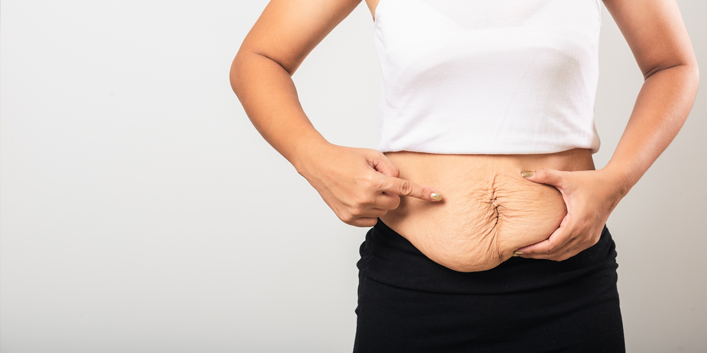
A firm, contoured abdomen is often considered the hallmark of physical fitness and vitality. However, for many individuals, achieving a flat stomach through diet and exercise alone remains an elusive goal. Life events such as pregnancy, significant weight fluctuations, and the natural aging process can leave behind structural changes that no amount of crunches can resolve. Abdominoplasty, commonly known as a Tummy Tuck, is a transformative surgical procedure designed to remove excess skin and fat while simultaneously restoring weakened or separated muscles to create a smoother, firmer, and more athletic abdominal profile.
At Curls & Curves Cosmetic Surgery Centre, we recognize that a protruding pooch is often a functional issue as much as a cosmetic one. Our board-certified surgeons specialize in high-precision body contouring, focusing on anatomical restoration to help patients in Bangalore reclaim their pre-pregnancy or pre-weight-loss physique.
Understanding Abdominoplasty: A Three-Pillar Approach
It is a common misconception that a tummy tuck is simply a weight-loss surgery or an alternative to liposuction. To understand the value of an abdominoplasty, one must distinguish it from fat-reduction treatments.
- The Difference: While liposuction exclusively targets subcutaneous fat, it cannot address skin laxity or muscular structural failure. A Tummy Tuck is a comprehensive solution that addresses the three pillars of abdominal aging:
- Skin Laxity: Removal of the Panniculus (hanging skin).
- Stubborn Fat: Targeted thinning of the abdominal fat layer.
- Muscle Separation: Surgical repair of the internal muscular girdle.
Understanding the Causes of Abdominal Laxity
Why does the abdomen lose its shape? Several biological factors contribute to a persistent pooch that resists traditional fitness efforts.
Post-Pregnancy Changes and Diastasis Recti
During pregnancy, the abdominal wall undergoes extreme stretching. In many cases, the two large parallel bands of muscles meet in the middle of the abdomen and separate—a condition known as Diastasis Recti. Once these muscles lose their connection, the internal organs push forward, creating a permanent bulge. Muscle plication during a tummy tuck is the only definitive way to repair this separation.
Significant Weight Fluctuations
Following massive weight loss, the skin often fails to snap back due to damaged collagen fibers. This results in an apron of redundant skin that can cause hygiene issues, skin rashes, and physical discomfort during movement.
Aging and Genetics
As we age, the distribution of visceral vs. subcutaneous fat shifts, and skin elasticity naturally declines. Genetic predispositions also dictate how our bodies store fat in the midsection, making some individuals more prone to abdominal fullness regardless of their BMI.
Types of Tummy Tuck Procedures
Not every abdomen requires the same level of intervention. We offer several variations of the procedure to match the specific needs of our patients.
- Full Abdominoplasty: This is the gold standard for patients with significant skin laxity and muscle separation both above and below the navel. It involves a hip-to-hip incision, full muscle repair, and Umbilicoplasty (repositioning the belly button).
- Mini Tummy Tuck: Designed for patients with concerns limited to the lower abdomen (below the navel). It requires a smaller incision, similar to a C-section scar, and does not involve repositioning the belly button.
- Extended Tummy Tuck: This approach extends the contouring to the love handles or flanks, providing a 360-degree refinement of the waistline.
- Lipo-Abdominoplasty (Lipotuck): A hybrid technique where high-definition liposuction is performed alongside skin excision. This allows for superior sculpting of the waist and a thinner, more refined abdominal wall.
The Surgical Process: Muscle and Skin Refinement
The artistry of a tummy tuck lies in the details of the internal repair and the placement of the final incisions.
Muscle Plication: The Internal Girdle
During the procedure, the surgeon uses heavy-duty, permanent internal sutures to pull the separated abdominal muscles back together. This acts as an internal corset, narrowing the waistline and creating a flat, firm foundation for the overlying skin.
Umbilicoplasty: The Aesthetic Anchor
In a full tummy tuck, the belly button must be surgically repositioned. Umbilicoplasty is the artistic process of reshaping the navel to ensure it looks natural, youthful, and matches the new contours of the abdomen.
Incision Artistry and Placement
We prioritize discrete results. Incisions are placed as low as possible on the abdomen, typically within the bikini line. This ensures that the resulting scar remains hidden beneath underwear or swimwear, allowing for complete confidence in any attire.
Essential Recovery and Aftercare
A successful abdominoplasty result is a partnership between surgical expertise and diligent post-operative care.
- The First 48 Hours: Patients are advised to maintain a hunched walk initially to take the tension off the low-tension sutures. Surgical drains are often used to prevent seroma (fluid buildup) and are typically removed within a week.
- Compression Therapy: Wearing a medical-grade abdominal binder or compression garment is critical for 6–8 weeks. This garment controls edema (swelling), supports the repaired muscles, and helps the skin adhere smoothly to the new contours.
- Activity Timeline:
- Week 1-2: Light walking is essential to promote circulation and prevent blood clots.
- Week 6: Most patients receive clearance to resume core-strengthening exercises and heavy lifting.
Long-Term Results and Maintenance
The results of a tummy tuck are considered permanent, as the excised skin and fat cells do not return. However, the longevity of your new silhouette depends on a stable lifestyle.
- Weight Stability: While the results are durable, significant weight gain can stretch the remaining skin and affect the surgical outcome.
- Scar Maturation: Initially, the scar will appear red and raised. Over 12–18 months, it will undergo scar maturation, eventually fading into a thin, silver line that is flush with the skin.
- Future Pregnancies: While a tummy tuck does not prevent future pregnancy, it is generally recommended to wait until childbearing is complete to ensure the repaired muscles are not stretched again.
Frequently Asked Questions
Can a Tummy Tuck help me lose weight?
No. It is a contouring procedure, not a weight-loss solution. It is ideal for patients who are at or near their goal weight but struggle with loose skin and muscle laxity.
Will it remove my stretch marks?
Yes, but only the stretch marks located on the excess skin that is surgically removed (typically those below the navel). Stretch marks on the upper abdomen will remain but may be shifted lower and appear tighter.
How painful is the recovery compared to a C-section?
Many patients find the recovery similar to or slightly more intense than a C-section due to the muscle repair. However, modern pain management and long-acting local anesthetics significantly improve comfort during the first few days.
When can I return to work?
Most patients can return to desk-based work within 10–14 days. If your job involves physical labor, you may need 3–4 weeks of recovery.
What is the difference between a Tummy Tuck and Liposuction?
Liposuction only removes fat. A Tummy Tuck removes skin and repairs muscles. If you have loose skin, liposuction alone may make the skin look more wrinkled, which is why a combined Lipotuck is often recommended.

https://shorturl.fm/cnnbz
https://shorturl.fm/QnSBT
https://shorturl.fm/1DlZ0
https://shorturl.fm/II3c9
0uaf0e
I’ll immediately grasp your rss feed as I can’t find your e-mail subscription link or newsletter service. Do you’ve any? Please allow me know in order that I could subscribe. Thanks.
https://shorturl.fm/tdQ6W
https://shorturl.fm/OzwTO
https://shorturl.fm/Qiqx5
Thank you, I have just been searching for information approximately this subject for a while and yours is the greatest I have found out till now. However, what in regards to the conclusion? Are you certain in regards to the supply?
https://shorturl.fm/2PlFE
Новинки музыки 2026 скачать бесплатно https://shorturl.fm/tunN9
The next time I read a blog, I hope that it doesnt disappoint me as much as this one. I mean, I know it was my choice to read, but I actually thought youd have something interesting to say. All I hear is a bunch of whining about something that you could fix if you werent too busy looking for attention.
https://shorturl.fm/MC0k6
https://shorturl.fm/wbqOn
https://shorturl.fm/qd4Tq
https://shorturl.fm/sFPO1
https://shorturl.fm/MzkTd