
For a lot of women, large and heavy breasts are more than simply another aesthetic concern. Instead, they are a source of constant pain and restricted movement. This is why many women in the city are looking for the best when it comes to breast reduction surgery in Bangalore. Medically known as reduction mammoplasty, this is an extremely helpful therapeutic and cosmetic procedure that removes excess breast tissue, dense glandular tissue, and redundant skin.
Unlike your average weight-loss programmes that mainly focus on shrinking fat cells in your chest, an advanced breast reduction surgery in Bangalore does the job perfectly by removing excess fibroglandular tissue to deliver permanent, exceptional results. Curls and Curves boasts the finest breast reduction surgery in Bangalore, focusing on improved body balance and immediate physical comfort, along with other obvious results.
Curls and Curves is the premier destination for cosmetic breast reduction in Bangalore, having successfully completed over 13,000 surgeries in the last few years, including over 2,300 women's breast reductions in Bangalore.
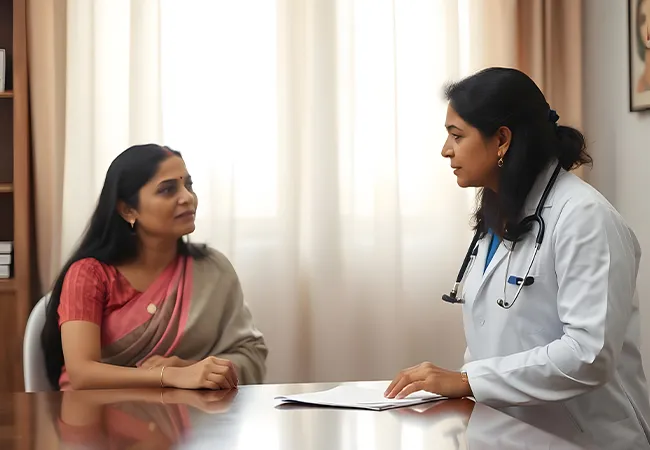
Macromastia is a medical condition in which a woman experiences abnormally large and disproportionate breasts, which cause pain, discomfort, and stress on a daily basis. Also known as breast hypertrophy, the condition is caused by an increased sensitivity to hormones like prolactin and female sex hormones, as well as growth factors.
Macromastia can take a toll on a woman, physically, aesthetically, and emotionally, causing the following:
Physical Pain and Discomfort: Extra weight in the upper body can cause chronic shoulder grooving as the bra straps often dig into the skin. This, combined with back strain and neck pain, is a direct consequence of macromastia.
Postural and Mobility Limitations: Excessive anterior body load affects posture, resulting in spinal malalignment and leading to shoulder rounding and kyphosis (curvature of the upper back). These reasons make it hard to be active or to exercise regularly.
Dermatological Strain: Micromastia may also contribute to intertrigo (an inflammatory skin condition that arises from skin rubbing against itself, trapped sweat, and heat). Intertrigo leads to repeated irritation and skin infections.
Reduction mammoplasty does not work on a single formula. Surgeons choose the best path forward by determining exactly how much tissue needs to be removed from the breast and the degree of sagging seen.
Wise Pattern (Anchor Incision): The classic technique, with its inverted-T pattern, is used for large tissue reductions. With its help, the surgeon will have the opportunity to access a large amount of fat and glandular tissue and reshape the breast mound and nipple-areola complex. It is the best technique for very large reductions but leaves the longest scar pattern.
Vertical (Lollipop) Technique: For moderate reductions, the surgeon may create a single vertical incision extending from the areola to the breast crease. Compared with the Wise technique, it causes less scarring and has a shorter recovery time. However, this technique is not for everyone, as very large or significantly sagging (ptosis) breasts can only be reshaped using the anchor technique.
Breast Lift with Reduction in Bangalore: It is a common myth that a reduction and a lift must be two separate procedures. In reality, when a considerable amount of tissue needs to be removed, it may be accompanied by a mastopexy (breast lift), since without it, the breast skin will sag under the weight of the remaining tissue. Thus, the areola boundary is reshaped, and the nipples are repositioned to accentuate youthful height, making way for immaculate breast contouring and reshaping after reduction in Bangalore.
Curls and Curves offers Reduction Mammoplasty in Bangalore. Patients looking to turn their lives around will receive exceptional personalised care, expert healthcare, the latest techniques and technologies, and the utmost commitment to safety. If you are looking for safe breast reduction treatment in Bangalore, this is the place to be.
The Mastery of Dr Girish A.C.: As a board-certified plastic surgeon and the best breast reduction surgeon in Bangalore with over 18 years of experience, Dr Girish A.C. is known for his dedication to providing patients with highly personalised treatments tailored to their natural frame. Thus, he specialises in successfully achieving symmetrical breasts. As one of the finest breast reduction specialists in Bangalore, Curls and Curves does not believe in a one-size-fits-all approach when it comes to female breast reduction surgery in Bangalore.
A Dedicated Aesthetic Ecosystem (best clinic for breast reduction in Bangalore): Instead of going to a general multi-speciality hospital, there are many advantages to having your cosmetic surgery done in a dedicated facility built specifically with your cosmetic concerns in mind. Whether it is better infection control, better privacy during recovery, or operating theatre staff dedicated entirely to the performance of cosmetic surgeries, you will find it all at Curls and Curves, Bangalore.
Phase 1 (Surgery Day): Performed under general anaesthesia, most procedures are performed as day-care surgery, allowing patients to rest in private recovery rooms for a few hours before they can go home. In the case of larger reductions, patients may be asked to stay overnight for a short period so our experts can monitor the situation closely.
Phase 2 (Weeks 1 to 4): A medical-grade compression bra is worn continuously during this phase. It helps control swelling, stabilise the reshaped tissue, and relieve tension on the incision lines.
Phase 3 (Long-term Setting): Most of the swelling subsides within a few weeks, but it takes a few months for the breasts to fully settle. It is during this period that before-and-after comparisons are usually conducted, as the results are much more visible at this stage. As the tissues settle into a natural contour, patients will experience improved posture, balance, and body proportion, as well as lifelong confidence.
Curls and Curves offers Reduction Mammoplasty in Bangalore. Patients looking to turn their lives around will receive exceptional personalised care, expert healthcare, the latest techniques and technologies, and the utmost commitment to safety.
Surgical breast reduction in Bangalore can either be minor (under 300-500g per breast), moderate (500-1000g per breast), or major (above 1000g per breast). However, the decision ultimately falls upon the patient's anatomy, BMI, and expectations.
Thanks to modern pedicle-preservation methods, the nipple-areola complex remains attached to the tissue carrying its blood supply, nerves, and milk ducts. This is done to protect sensation and the potential for lactation. That said, there is no guarantee that lactation ability or sensation will not be affected.
This depends on the clinic. While many practices include a compression bra in the overall cost of breast reduction surgery in Bangalore, it is best to ask your surgeon beforehand. This will help you find affordable breast reduction in Bangalore within your budget.
Most patients can easily return to desk work after 1 or 2 weeks. Safe healing will require avoiding vigorous physical activity and lifting for 4-6 weeks.
Incision sites are closed using dissolvable sutures, then silicone scar sheets or gels. Incisions are made in less visible areas and fade from raised, pink scars to pale, flat scars in 6-12 months or more.
Yes, extra fat or volume in the axillary area can persist even after a reduction in breast tissue mass. Reducing both volumes at once allows for better overall proportions in a single surgery.
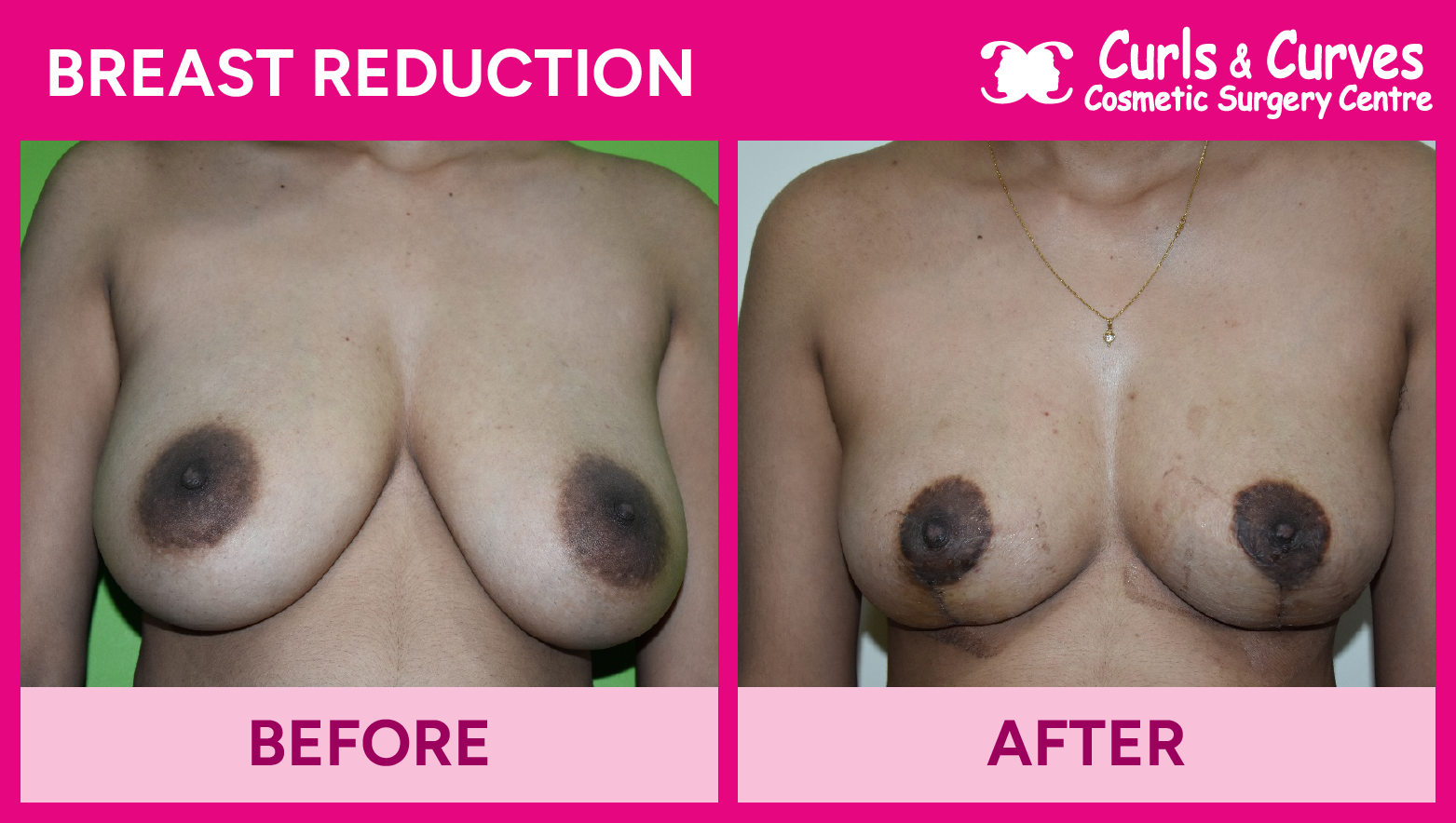
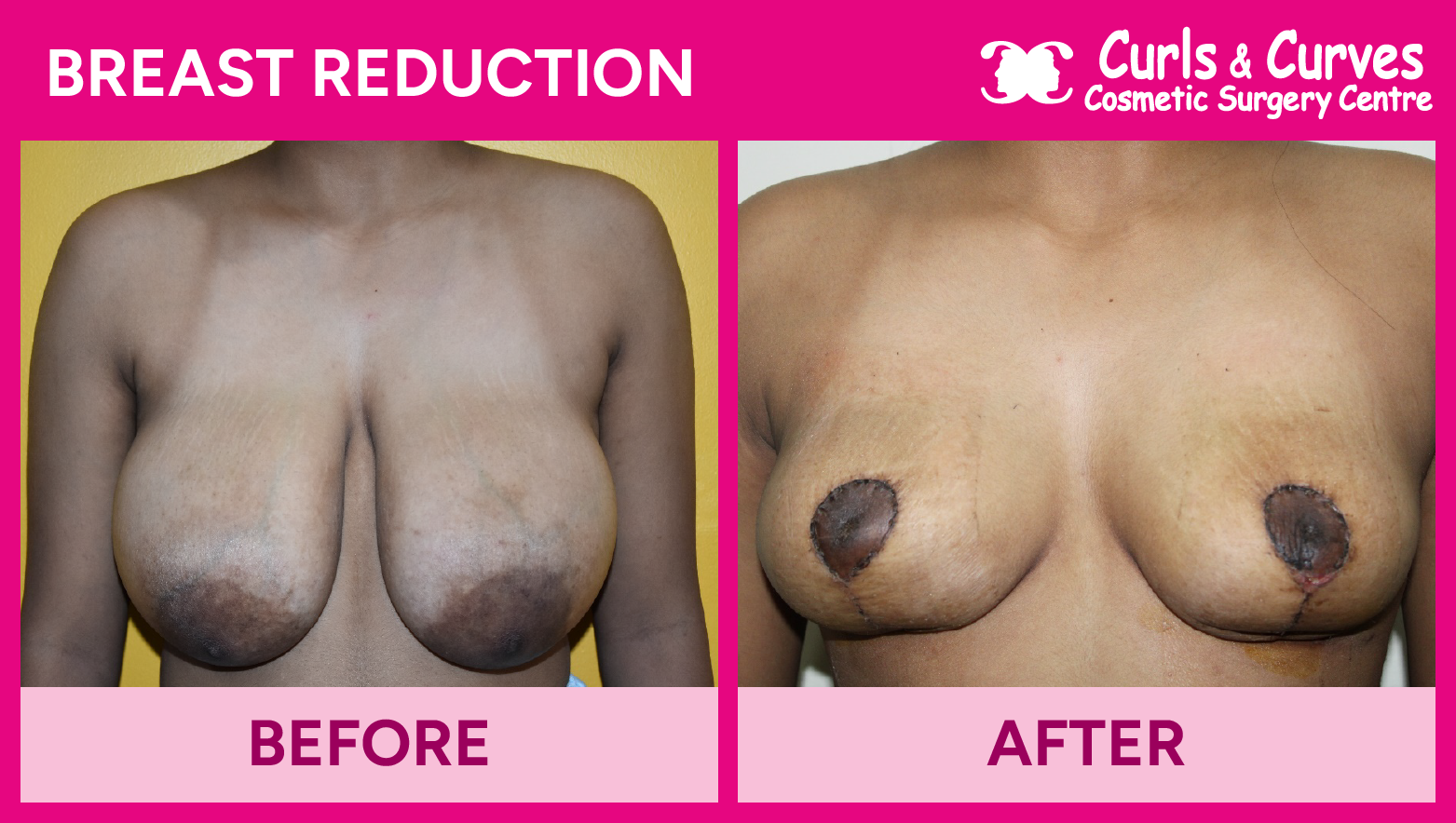
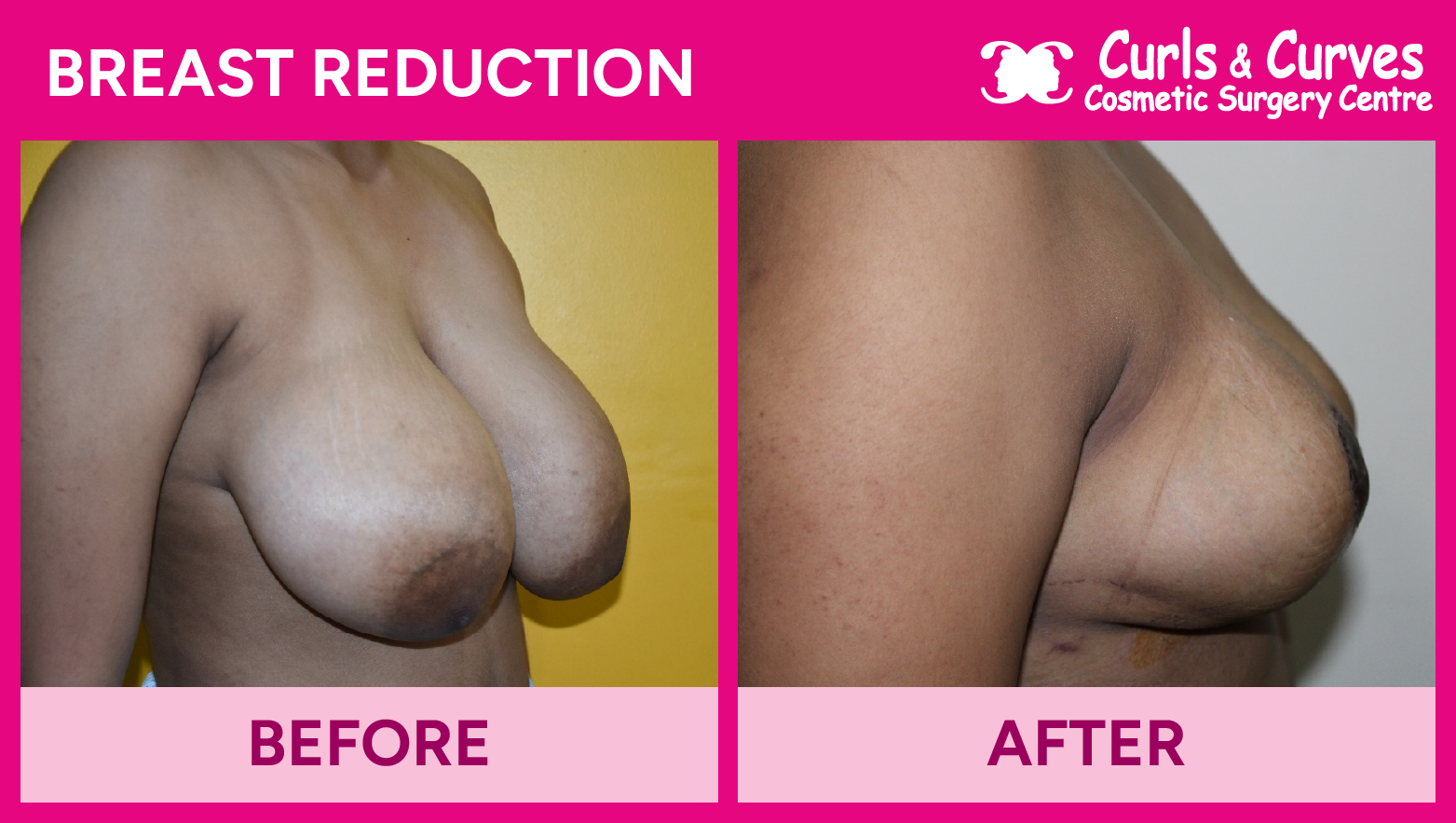
At Curls & Curves, we provide the most competitive and transparent pricing for Breast Reduction in Bangalore, ensuring you get world-class results at an affordable cost.
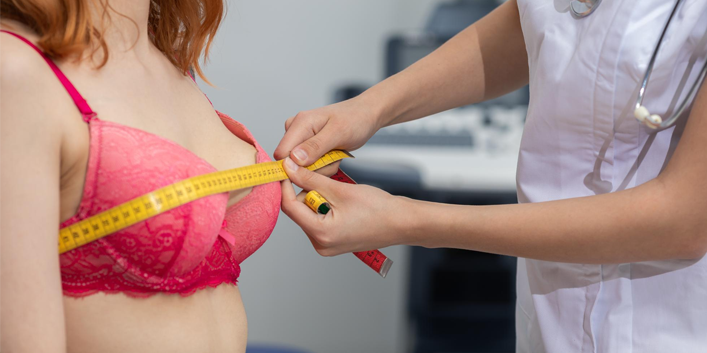
For many women, living with disproportionately large breasts—a clinical condition known as Macromastia—is far more…
Read More
Breast reduction surgery, also known as reduction mammoplasty, is a transformative procedure that helps many…
Read More
Breast Reduction Surgery is the most trusted cosmetic surgery in India. Women prefer it to…
Read More