

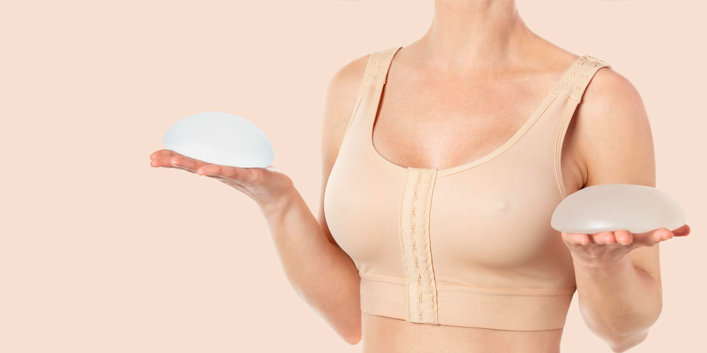
The decision to undergo breast enhancement is a deeply personal journey, often driven by a desire to restore bodily harmony, reclaim confidence after significant life changes, or achieve a more balanced physical proportion. Known medically as Augmentation Mammaplasty, this procedure has evolved far beyond simple size enhancement. Today, it represents a sophisticated intersection of medical science and aesthetic artistry, designed to provide results that feel as natural as they look.
At Curls & Curves Cosmetic Surgery Centre, our approach to breast augmentation in Bangalore is rooted in surgical precision and a patient-centric philosophy. Whether you are looking to address natural asymmetry, restore volume lost after pregnancy or weight loss, or simply enhance your silhouette, our board-certified surgeons utilize the latest in FDA-approved implant technology and advanced surgical techniques to ensure your safety and satisfaction.
Understanding Augmentation Mammaplasty: Beyond Size
While breast enlargement is the common term, the procedure is more accurately described as a comprehensive enhancement of the breast’s size, shape, and fullness. Modern breast augmentation is rarely just about increasing a cup size; it is about creating a cohesive aesthetic that complements a patient’s unique frame.
Restoring Volume and Symmetry
Many patients seek augmentation to address specific anatomical concerns:
- Post-Pregnancy or Weight Loss: These life events can lead to involution or a loss of breast parenchyma (the functional tissue), resulting in a deflated appearance. Augmentation restores this lost volume, providing a rejuvenated, youthful lift.
- Correcting Asymmetry: It is common for a woman’s breasts to differ in size or shape. A skilled surgeon can use different implant volumes (measured in CCs) or placement techniques to bring the breasts into better balance.
- Congenital Concerns: For those with underdeveloped breast tissue, augmentation provides the foundational projection and cleavage necessary for a proportionate physique.
Choosing the Right Implants: Materials and Shapes
One of the most critical phases of your journey is selecting the implant that aligns with your lifestyle and aesthetic goals. Modern implants are highly engineered medical devices designed for durability and a natural feel.
Silicone Gel vs. Saline Implants
- Cohesive Silicone Gel Implants: Often referred to as gummy bear implants, these are the gold standard for a natural, flesh-like feel. They consist of a cross-linked silicone gel that holds its shape even if the shell is compromised. They are highly favored for their reduced risk of visible rippling or wrinkling under the skin.
- Saline Implants: They are made with a silicone outer shell containing sterile saline solution. One advantage is that they can be inserted empty and filled during surgery, allowing for a slightly smaller incision. However, they may feel firmer and are generally less common in modern aesthetic practices focused on natural texture.
Shape Dynamics: Round vs. Anatomical
- Round Implants: These are ideal for patients seeking significant upper pole fullness and more pronounced cleavage. Because they are symmetrical, there is no risk of the breast looking distorted if the implant rotates.
- Anatomical (Teardrop) Implants: Designed to mimic the natural slope of the breast, these are fuller at the bottom and tapered at the top. They are excellent for patients desiring a more subtle, under-the-radar enhancement.
Profile Heights and Projection
The implant profile describes the degree to which it projects outward from the chest wall.
- High Profile: Provides maximum forward projection with a narrower base, ideal for patients with narrow chest walls who want significant volume.
- Moderate/Low Profile: Offers a wider base and a more gradual slope, creating a softer, more blended transition.
Surgical Techniques and Placement Options
The success of a breast augmentation depends heavily on the pocket where the implant is placed and the incision used to create it.
Incision Pathways
- Inframammary Fold: This is the most common and widely preferred approach. The incision is placed in the crease under the breast, where it is naturally hidden. This provides the surgeon with the best visibility and direct access to the implant pocket.
- Periareolar: The incision is made along the border of the nipple-areola complex. While it hides scars well against the darker pigment of the areola, it is usually reserved for specific anatomical requirements.
Pocket Placement: Under vs. Over the Muscle
- Submuscular (Under the Muscle): The implant is placed beneath the pectoralis major muscle. This provides more soft tissue coverage over the implant, resulting in a natural look and a significantly lower risk of capsular contracture.
- Subglandular (Over the Muscle): The implant is placed directly behind the breast tissue and in front of the muscle. This typically involves a shorter surgical time and a faster initial recovery.
- Dual-Plane Technique: A hybrid approach where the top of the implant is covered by muscle, but the lower portion is behind the glandular tissue. This offers the best of both worlds: a natural slope and a soft, dynamic movement of the breast.
The Sizing Process: Finding Your Perfect CC
A common misconception is that patients choose a cup size (e.g., C or D). In reality, surgeons work with Cubic Centimeters (CCs). Because bra sizes vary by brand and ribcage width, CCs provide an objective measurement of volume.
During your consultation at Curls & Curves, we use a combination of physical sizes and clinical measurements of your breast base width and skin elasticity to determine the ideal volume for your frame. Our goal is to achieve breast projection that looks balanced and avoids putting excessive strain on the skin and tissues over time.
Safety Protocols and Long-Term Health
We define success first and foremost by ensuring patient safety at every stage of care. Modern breast implants are FDA-approved and have undergone decades of rigorous testing.
Addressing Risks and Longevity
- Capsular Contracture: This occurs when the scar tissue around the implant (the capsule) tightens. Using submuscular placement and textured surfaces (where appropriate) helps minimize this risk.
- Implant Longevity: While implants are not lifetime devices, modern versions are designed to last 10 to 15 years or longer. Regular follow-ups ensure the continued integrity of the device.
- Breast Health and Mammograms: Implants do not prevent you from having regular screenings. Most evidence suggests that implants do not interfere with the ability to breastfeed, provided the incisions do not disrupt the milk ducts.
The Recovery Journey: What to Expect
A smooth recovery is essential for the best aesthetic outcome. At our top-rated cosmetic clinic, we provide a structured aftercare program.
- Day 1: Breast augmentation is typically a daycare procedure. Patients can return home the same day once the anesthesia has worn off.
- The First Week: You will wear a specialized post-op recovery bra (compression garment). This is crucial for managing swelling and ensuring the implants stay in their intended position.
- The Drop and Fluff: Initially, the breasts may appear high and firm due to muscle tension. Over 4 to 8 weeks, the implants will drop and fluff into their final, natural position.
- Long-Term Healing: Surgical scars will be firm and pink initially but will fade significantly over 6 to 12 months, becoming discrete lines hidden in natural folds.
Frequently Asked Questions
How long do breast implants last?
While highly durable, implants should be monitored. They are generally replaced after 10–15 years, or sooner if a patient desires a change in size or if a rupture is detected.
Will I lose sensation in my nipples?
Temporary changes in sensitivity are common due to tissue stretching. However, permanent loss of sensation is rare, and most patients regain full sensitivity within a few months of healing.
Can I breastfeed after getting implants?
Yes. For the vast majority of women, the glandular tissue and milk ducts remain functional, especially with the inframammary (under the crease) incision.
What is the difference between Teardrop and Round implants?
Round implants provide more fullness at the top of the breast (cleavage), while Teardrop (anatomical) implants provide a more natural, gradual slope that mimics a non-augmented breast.
When can I return to the gym?
Light walking is encouraged immediately. However, you should avoid heavy lifting or high-impact upper-body exercises for at least 2 to 3 months to allow the muscle and pocket to heal securely.

https://shorturl.fm/MurQK
https://shorturl.fm/xO9ys
https://shorturl.fm/a47G9
https://shorturl.fm/vZJxH
https://shorturl.fm/3p8uI
https://shorturl.fm/dVr9L
Great work! That is the type of info that should be shared around the internet. Shame on the search engines for not positioning this publish higher! Come on over and seek advice from my website . Thank you =)
ovxj6o
https://shorturl.fm/lgmc0
https://pesnimp3.net/2.html
https://shorturl.fm/ihIkP
https://shorturl.fm/05Dn7
Популярные песни 2026 скачать бесплатно https://shorturl.fm/dfuzp
https://shorturl.fm/s4lil